You may have noticed that I added a current radio propagation and solar statistics chart to the sidebar at Power and Control.
The chart is refreshed every 3 hours, but you will need to refresh the page that has it to see the latest.
If you want one for your blog or webpage you can click on the chart or the link in this sentence. When solar activity starts rising propagation on the higher frequency bands will improve. There will more skip. That is the radio waves can bounce from the ground to the ionosphere to the ground more than once without the power being reduced to undetectable levels.
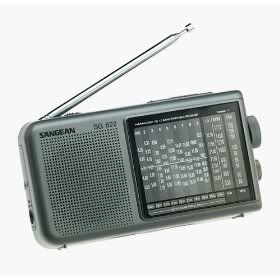
If short wave radio interests you this is a good starter radio. You will need an to buy an AC adapter to reduce spending on batteries.

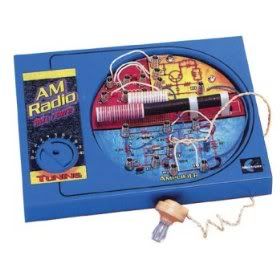
Here is a cute short wave radio kit. It will take you back to the old days of radio with modern components. It is all solid state. Because of the single tuning knob with no vernier the tuning is apt to be a bit twitchy. Good for the kids as a starter or just for fun. But the price is right. $15 plus shipping. You will need an antenna for weaker signals – but that can be just a few tens of feet of copper wire strung out where convenient. In the old days you could just clip the antenna terminal to the stop of a rotary phone. Gone are the days. Of course with a better antenna you will get better reception.

If you want to build your own outdoor antenna this book is a good place to start:
Arrl Antenna Book: The Ultimate Reference for Amateur Radio Antennas

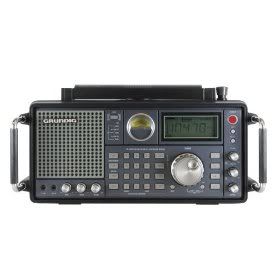
And for a moderately priced top end radio receiver:

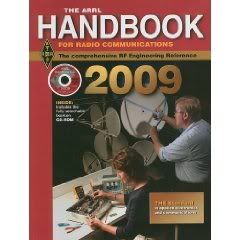
This book has a good section on radio propagation and a number of other topics including antennas, receivers, and transmitters. A good starting point for the beginning experimenter or the budding engineer interested in radio.

Ah, the romance of short wave radio.
Comments
2 responses to “Sunspots and Radio Propagation”
Ah. Remembering the late nights in my early years listening from the deep south to Radio Canada International, the BBC, Radio Moscow and others.
That is the radio waves can bounce from the ground to the ionosphere to the ground more than once without the power being reduced to undetectable levels.
There are two effects, bouncing and attenuation.
Low frequencies always bounce, but are attenuated in the daylight by exciting charges in the denser atmosphere which then collide with neutral particles, soaking up energy. At night these charges aren’t there and you can hear AM radio across the country.
Higher frequencies don’t bounce at night because they’re above the plasma frequency of the charged upper ionosphere (mumbles about sine of angle of propagation) and go right through. The ionosphere needs more charges to raise its natural resonance frequency, which happens when the sun does its stuff.
On the other hand high frequencies don’t attenuate much in the day because they don’t move the charges in the lower atmosphere far enough to collide with neutral particles.
Much of the joy of AM band listening has been wiped out by the FCC allowing HD radio (IBOC) down there, which puts a 24/7 hiss on both adjacent channels, and all you hear is this hiss now on every frequency.